Commercial Moves in Bermondsey
Moving a business is never just about putting things into boxes and taking them somewhere else. It is about keeping your team working, protecting equipment and stock, reducing downtime, and making sure the first day in your new premises starts as smoothly as possible. For businesses looking for Commercial Moves in Bermondsey, local knowledge matters. Bermondsey combines busy residential streets, warehouse conversions, light industrial units, office spaces, creative studios, hospitality venues, and small retail premises, which means every move needs careful planning, realistic timing, and an understanding of local access challenges.
Whether you are relocating a startup from a shared workspace, moving a shop to larger premises, clearing out an office after a lease change, or transferring stock and fixtures between sites, the right moving support can make a major difference. A well-organised commercial relocation helps protect valuable items, keeps disruption under control, and gives you confidence that your equipment, files, and furniture will arrive where they need to be. If you are planning a business move in Bermondsey or the surrounding SE1 area, this page explains what to expect, what is included, and how to prepare.
We understand that commercial removals often need to happen around operational hours, building rules, and limited access windows. That is especially true around Bermondsey’s busy roads, mixed-use developments, and the narrow streets that can make loading and unloading more complex. A local team can help you plan around these realities, offering a practical service that fits the pace of your business rather than disrupting it. When timing matters, local familiarity matters too.
Why businesses in Bermondsey need a tailored moving service

Commercial relocations are different from home moves because the priorities are different. A family moving house wants the furniture delivered safely; a business moving premises often needs to keep working while the move happens, or get back up and running quickly with minimal interruption. Offices, shops, cafés, studios, workshops, and small warehouses each have different requirements, and those differences should shape the move from the start.
Bermondsey has a distinctive mix of commercial properties. You will find converted warehouse offices, modern business units, independent retail spaces, hospitality venues around busy streets, and light industrial premises tucked near transport and logistics routes. That variety is one reason commercial movers in Bermondsey need to be flexible. There is no one-size-fits-all approach when a move might involve desks, IT equipment, shelving, catering appliances, display stock, or sensitive documents.
For many local businesses, access is one of the first issues to consider. Some properties have limited loading space, controlled entry points, lift restrictions, staircase-only access, or tight street parking. Others may be in buildings with specific time slots for deliveries and collections. A local team used to moving businesses in Bermondsey can anticipate these issues early, helping you avoid delays and unnecessary stress. Good planning is often what turns a complicated move into a manageable one.
Suitable for many types of business premises
Commercial moving support can be useful for a wide range of premises, including:
- Office relocations and internal office moves
- Retail shops and boutiques
- Hospitality venues such as cafés, bars, and restaurants
- Creative studios and design agencies
- Workshops, storage rooms, and light industrial units
- Shared workspaces and serviced offices
- Small business units and start-up premises
What is typically included in a commercial move
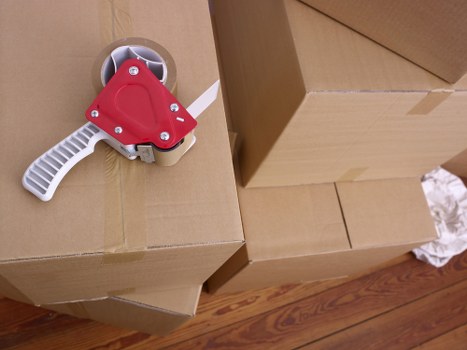
A proper commercial moving service should be built around the specific needs of your premises and your business timetable. While every move is different, there are core elements that many Bermondsey customers look for. These are designed to make the process safer, faster, and easier to manage.
Depending on your requirements, commercial moving support may include packing assistance, furniture dismantling and reassembly, safe handling of office equipment, transport of archive boxes, and careful relocation of fragile or high-value items. Some businesses also need help moving specialist items such as point-of-sale equipment, servers, display units, or shelving. The key is to choose a service that can adapt to your priorities rather than forcing your move into a rigid template.
It is also important to think about move sequencing. In some cases, items need to leave in a very specific order so they can be reinstalled or unpacked efficiently at the new site. For example, a retail unit may need stock, fixtures, and till systems moved in separate stages, while an office might want departments relocated one at a time to keep essential work going. That kind of coordination saves time and reduces confusion on the day.
Common service elements
- Pre-move planning and scheduling
- Disassembly and reassembly of office furniture
- Careful loading and transport of stock and equipment
- Protection for floors, entrances, and furniture where needed
- Handling of confidential paperwork and sensitive items with care
- Placement of items in the correct rooms or zones at the destination
Extra support that can be useful
Some businesses also need help with dismantling shelving, labelling boxes by department, or moving items into storage if the new premises are not ready yet. If your business has a phased relocation, a flexible mover can support split deliveries or staged moving plans so you are not forced to move everything at once.
How a Bermondsey commercial move usually works

Every business wants a move to feel organised, predictable, and low stress. A clear process is the best way to get there. While no two moves are identical, a typical commercial relocation in Bermondsey usually follows a simple and practical sequence.
The first step is usually an assessment of what needs to be moved. That may include office desks, chairs, filing cabinets, monitors, printers, stock, display items, catering equipment, or workshop tools. The more accurate the inventory, the easier it is to estimate space, labour, timing, and any specialist handling that may be required. Businesses often find that a structured approach at this stage saves time later because it highlights issues before moving day.
Next comes scheduling. For businesses in Bermondsey, timing is often influenced by access restrictions, building management rules, trading hours, or the need to move out of one site before the new site is fully ready. A local move team can help you choose a time that works around your operations, whether that means early morning, evening, weekend, or a phased schedule. Reducing downtime is often the main objective for commercial customers.
Typical move stages
- Initial enquiry and move assessment
- Planning the route, timing, and loading arrangements
- Packing, labelling, and preparing items for transport
- Dismantling furniture or securing equipment if required
- Loading, transit, and safe unloading at the new site
- Placement of items in the correct rooms or departments
- Reassembly and final checks where included
Some customers prefer to manage their own packing and just need transport and lifting support, while others want a more hands-on service that helps with every stage. Both approaches can work well, as long as expectations are clear from the start. A good provider will discuss the details openly so you know exactly what is involved.
Preparing your business before moving day

Preparation is one of the biggest factors in a smooth commercial relocation. Even the most experienced movers can only work efficiently if the business is ready. The good news is that a straightforward preparation plan can make a big difference without taking too much time away from normal work.
Start by identifying what is moving, what is being left behind, and what is no longer needed. Many businesses use a move as an opportunity to sort out old chairs, broken storage, redundant files, and unused equipment. That can reduce the number of items to transport and help the new premises start in a cleaner, more organised way. It can also make your packing list more practical and easier to manage.
It is also sensible to think about IT and data. Computers, monitors, routers, and servers often require careful disconnection and clear labelling so they can be set up correctly later. If you have staff working from the premises, make sure they know what they need to back up, remove, or secure before the move begins. Good communication inside the business can prevent avoidable delays on moving day.
Preparation checklist for Bermondsey businesses
- Confirm the moving date and access times
- Tell staff what they need to pack or clear in advance
- Label boxes by floor, department, or destination room
- Back up digital files and secure devices
- Remove personal items and confidential paperwork
- Check lift access, loading bay rules, and parking restrictions
- Measure larger furniture and equipment for doorways or stairwells
- Set aside items that need to be handled separately
If you are moving from a building with shared corridors, managed access, or compact street frontage, it is worth planning how items will be carried in and out. In Bermondsey, some properties are located in converted buildings or mixed-use developments where a lift booking, porter notice, or access pass may be needed. Sorting these details early is often more valuable than people expect.
Pricing factors for commercial removals

Commercial moving costs depend on the specific details of the job rather than a fixed formula. Businesses often want to know what influences the quote, and that is a sensible question to ask. Understanding the cost drivers helps you budget properly and compare services fairly.
Several factors can affect the final price of a Bermondsey business move. These include the size of the premises, the number of items being moved, the distance between locations, the amount of packing or dismantling involved, and whether the move needs to happen outside standard hours. Access conditions can also have a major effect. A move with easy ground-floor access and nearby parking is usually simpler than one involving multiple floors, narrow stairs, or restricted loading areas.
Specialist items can also influence pricing. For example, moving fragile equipment, oversized furniture, or heavier stock may require extra labour or protective materials. If the move is split between multiple destinations, or if items need to go into storage before final delivery, that will also affect the scope. A clear, itemised discussion before the move is the best way to avoid surprises and make sure the service matches your needs.
What can affect your quote
- Size and type of business premises
- Volume and weight of items
- Distance and travel time between locations
- Need for packing, dismantling, or reassembly
- Restricted access, stairs, or limited parking
- Out-of-hours, weekend, or phased moving requirements
- Storage or split-delivery arrangements
Requesting a tailored quote is the best way to get an accurate picture of your move. A proper estimate should reflect the actual work needed, not just a rough guess based on floor space alone. If your business has unusual items or a tight timescale, mention them early so they can be planned for properly.
Why choose a local Bermondsey team
There are practical advantages to using a team that already knows Bermondsey and the surrounding area. Local experience helps with timing, route planning, traffic patterns, and loading arrangements. It also helps with the realities of moving around SE1, where business premises may sit close to busy roads, residential streets, or shared access points.
Local knowledge can be especially valuable if your business is based near Southwark, London Bridge, Wapping, Rotherhithe, Canada Water, or along routes that connect into central London. These are areas where timing and access can matter just as much as manpower. If a move needs to fit around deliveries, public transport pressure, school traffic, or road restrictions, it is useful to work with people who already understand the area’s rhythm.
Another benefit of a nearby team is flexibility. If plans change, items need a second run, or something unexpected comes up on the day, local movers can often adapt more easily than a team travelling from much further away. That does not mean every move is simple, but it does mean there is a better chance of practical support when it matters. For businesses with tight schedules, that flexibility can be a real advantage.
What Bermondsey customers often value
- Practical advice based on local access conditions
- Efficient routes to and from nearby business districts
- Familiarity with mixed-use and converted commercial buildings
- Support for moves that need careful timing
- A service that understands business disruption has a cost
Commercial property types we regularly see in Bermondsey
Bermondsey is not a single type of business district. That variety is part of its character, but it also means every commercial move has its own challenges. A company relocating from a shared office in a modern block will have different needs from a café moving equipment from a small street-facing unit. Understanding the property type is important because it affects packing, lifting, access, and scheduling.
Warehouse conversions are common in this part of London, and they often bring attractive office spaces with character features, but not always easy loading points. Retail units may have front-of-house displays that need careful dismantling and packing. Hospitality spaces can involve bulky equipment, glassware, and items that must be protected against damage during transport. Workshops and storage units may include heavier goods, tools, or shelved items that need organised handling.
Many Bermondsey businesses also operate from buildings with shared entrances or mixed residential neighbours. In those cases, considerate moving practices matter. That means being mindful of common areas, keeping routes tidy, and working efficiently to minimise disturbance. This is especially relevant where businesses are located in or near converted apartments, live-work spaces, or buildings with strict management rules.
Examples of local commercial move needs
- Office desks and chairs from a co-working space
- Retail shelving and stock from a high street shop
- Kitchen or front-of-house equipment from a café or restaurant
- Design equipment and storage from a creative studio
- Tools and materials from a workshop or small unit
Keeping your business moving with minimal downtime
One of the biggest concerns during any business relocation is downtime. Even a short interruption can affect customers, staff, delivery schedules, or revenue. That is why commercial removals should focus on continuity as much as transport. A move that is planned carefully can reduce disruption and help your team return to normal work sooner.
There are several ways to support continuity. Some businesses move outside trading hours so they can open again as quickly as possible. Others relocate in stages, moving departments or stock sections one at a time. Some prefer to move non-essential items first, then keep key systems available until the final day. The right approach depends on your layout, your staffing, and how much of your operation must remain live during the process.
If you run a customer-facing business in Bermondsey, it may also be worth considering how deliveries, appointments, or collections will work during the move. A clear plan for staff and customers can prevent confusion and help keep the business presentable through the transition. Staying organised during the move often matters just as much as the relocation itself.
Useful continuity tips
- Keep key documents and devices separate and clearly labelled
- Move essential systems in the correct order for reinstallation
- Tell staff what will happen before, during, and after the move
- Plan for temporary storage if the new site is not ready
- Prioritise items needed for opening or operating on day one
Areas covered around Bermondsey
Commercial moves in Bermondsey often extend into nearby parts of South East and central London, especially where businesses operate across more than one site or need help with an office move into a neighbouring district. Local customers commonly need support in and around Southwark, London Bridge, Rotherhithe, Canada Water, Wapping, Tower Bridge, and nearby SE1 and SE16 locations.
This wider coverage matters because many business moves are not confined to one postcode. A company may be leaving Bermondsey for a larger unit nearby, relocating to a modern office space in a neighbouring area, or shifting stock and equipment between branches. Local moving support makes these cross-area moves easier to coordinate because travel time and access issues are easier to plan around.
If your business is moving from one Bermondsey street to another, or from a nearby industrial estate into a more central location, practical route planning can save time and avoid complications. It is also helpful when you need to work around loading restrictions or narrow access in one location and longer carry distances in another. Real local experience reduces guesswork.
Frequently asked questions
Can you help with office furniture and IT equipment?
Yes, many commercial moves involve desks, chairs, cabinets, monitors, printers, and other equipment. These items should be packed and transported carefully, with extra attention given to fragile or sensitive items.
Do commercial moves in Bermondsey need to happen outside office hours?
Not always, but many businesses prefer early, late, or weekend moves to reduce disruption. The best timing depends on your operating hours, access rules, and how much downtime you can allow.
What if my premises have limited parking or difficult access?
That is very common in Bermondsey. A local mover can plan around restricted loading bays, narrow streets, lifts, stairs, and shared entrances. It helps to mention access details early so the move can be organised properly.
Can you move stock as well as furniture?
Yes, business relocations often include stock, shelving, display items, and packing materials. Items can usually be grouped and labelled to make unpacking easier at the destination.
Should I pack everything myself?
Not necessarily. Some customers prefer to pack their own files or personal items, while others want full support. The right choice depends on your time, your team, and the type of equipment or stock being moved.
How early should I arrange a commercial move?
The sooner the better, especially if your business move needs a specific date, out-of-hours access, or staged relocation. Early planning gives you more control over timing and preparation.
What to expect from a professional moving approach
A reliable commercial moving service should feel organised from the first conversation through to the final item being placed in the right room. You should expect clear communication, practical questions, and a willingness to adapt to your premises and schedule. If a move is being handled well, it usually feels calm, even when there is a lot happening behind the scenes.
You should also expect care with your business assets. Office furniture, retail displays, stock, and equipment are all part of your working environment, and they deserve proper handling. A good mover will think about protection, weight distribution, safe lifting, and sensible loading. They should also be comfortable working in busy surroundings where staff, customers, or building users may still be present.
For many Bermondsey businesses, the biggest value comes from having someone who understands that every hour matters. When a move is handled properly, your team can focus on getting back to work, not on the logistics of every box and desk. That practical support is what makes the difference between a stressful move and a workable one.
Signs you are choosing the right service
- They ask detailed questions about the premises and the items
- They discuss access, timing, and building restrictions early
- They explain what is included and what is not
- They are open to phased or out-of-hours moving plans
- They focus on protecting your business from unnecessary downtime
Ready to plan your Commercial Moves in Bermondsey?
If you are preparing a business relocation, now is the right time to start planning. The earlier you organise your move, the easier it becomes to manage access, timing, packing, and staff coordination. Whether you are moving a small office, a retail unit, a hospitality venue, or a mixed commercial space, having a local team on your side can make the process far easier to handle.
Commercial Moves in Bermondsey should be practical, well-timed, and tailored to the way your business actually works. From limited parking and tight loading spaces to mixed-use buildings and staged moves, local conditions can shape the entire process. A thoughtful approach helps protect equipment, reduce downtime, and give your team a clear start in the new premises.
Contact us today to request a free quote, discuss your requirements, or book your service now. If you already know your moving date, share the details as early as possible so the move can be planned around your business needs. With the right preparation and local support, your next commercial move can be far smoother than you expect.