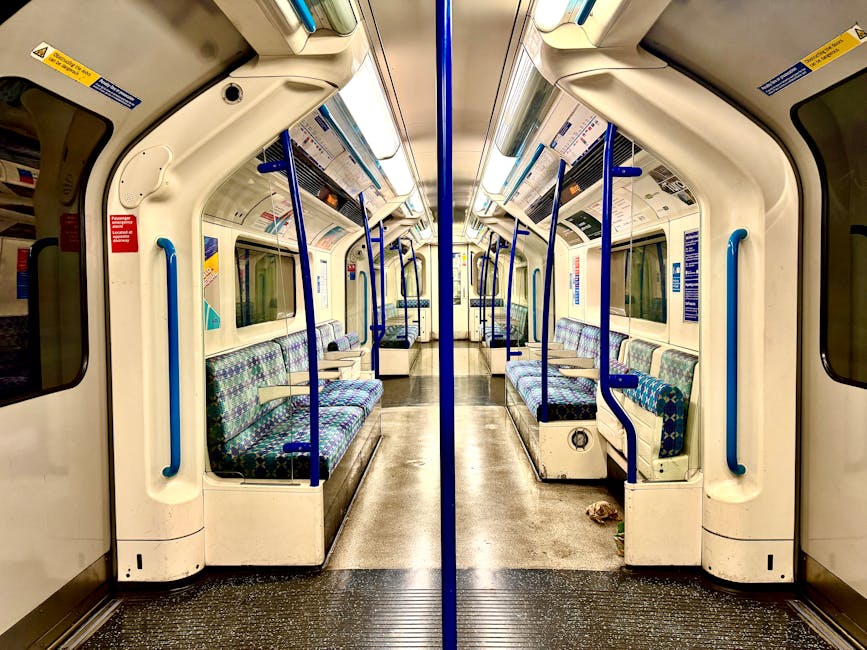
Removals Bermondsey near Bermondsey tube station: a practical local guide for a smoother move
If you are planning Removals Bermondsey near Bermondsey tube station, the details matter more than people expect. A move that looks straightforward on paper can turn fiddly very quickly once you add narrow streets, lift access, parking limits, busy commuter flow, and the usual London timing pressures. The good news? With a bit of local know-how and the right removals support, it becomes far more manageable.
In this guide, you will find a clear breakdown of how local removals near Bermondsey tube station work, who they suit, what to prepare, and how to avoid the mistakes that cause last-minute stress. There is also a comparison table, a practical checklist, and a set of real search-style FAQs at the end. Let's make the whole thing feel a lot less like chaos.
Why Removals Bermondsey near Bermondsey tube station Matters
Moves around Bermondsey tube station tend to have a few shared realities: traffic builds up at awkward times, parking is rarely generous, and buildings can vary from modern flats to older conversions with awkward stairwells. That mix changes how a removal job should be planned. A service that works well in a quiet suburban street may be clumsy here if it is not adjusted for local access and timing.
That is why a Bermondsey-specific removals approach matters. It is not about adding drama. It is about reducing avoidable friction. If your van arrives at the wrong hour, if a loading bay is already occupied, or if a sofa simply will not make the turn on a tight landing, the move slows down fast. And once the day starts slipping, people get tired, small mistakes happen, and nobody enjoys that.
For many households and small businesses, the location near the station also means convenience is a big factor. You may be moving into a flat close to transport links, leaving a busy rental, or relocating a small office that needs to stay operational. In those cases, local removals are less about brute force and more about timing, coordination, and keeping everyone calm.
A good starting point is to think of the move as a sequence, not a single event. Packing, access, lifting, parking, and unloading all need their own attention. If you want a broader overview of the service itself, it can help to look at the core removal services available for different kinds of moves.
How Removals Bermondsey near Bermondsey tube station Works
The process usually begins with a discussion of what is moving, where it is going, and how access works at both ends. That sounds obvious, but this is where a lot of the useful detail lives. A one-bedroom flat with a lift is a very different job from a top-floor flat with one narrow staircase and no lift at all. If there is a piano, heavy wardrobe, or delicate glass furniture, those items need to be flagged early.
From there, a sensible removal plan normally covers:
- volume of items and the type of furniture involved
- floor levels at collection and delivery addresses
- parking and loading access
- packing requirements and any fragile items
- timing preferences, such as early morning or same-day support
- short-term storage if the move-out and move-in dates do not line up neatly
In a local London setting, that access conversation is often the difference between a tidy move and a long, sweaty one. Truth be told, Bermondsey can be wonderfully convenient and mildly annoying in equal measure. That is just London, really.
Depending on the scale of the job, you might choose a man and van option for a smaller move, or a more fully equipped team for larger household contents. For bigger loads, a moving truck or removal truck hire may make much more sense. The right choice depends on speed, number of items, and how many hands are actually needed on the day.
Most people also underestimate how useful packing support can be. A service like packing and boxes or packing and unpacking services can save a surprising amount of time, especially if you are juggling work or family life at the same time.
Key Benefits and Practical Advantages
The main benefit of using a local removals service near Bermondsey tube station is simple: less stress. But that shorthand hides a few real advantages that are worth calling out clearly.
- Better access planning: local movers are more likely to anticipate parking and loading problems before they become delays.
- Faster response times: nearby crews can often work around tighter schedules more easily than distant teams.
- More suitable vehicle choice: some jobs need a compact van; others need a larger vehicle and a proper loading plan.
- Safer handling: fewer rushed decisions usually means less damage to walls, door frames, and furniture.
- More flexible support: same-day or short-notice help is easier to organise when the service area is genuinely local.
There is also a psychological benefit, which sounds fluffy until you are standing in a hallway full of boxes. Knowing the plan, the timing, and the vehicle size gives people confidence. That confidence matters. It keeps the day from feeling like it is running away from you.
For people moving into flats near the station, flat removals can be especially useful because the logistics tend to be more constrained. For family homes and larger loads, home moves or house removals may be a better fit. If you need a broader pool of options, removal companies can help you compare service levels before you commit.
And yes, a properly planned move often costs less than a poorly planned one, even if the upfront quote looks a bit higher. Why? Because delays, extra trips, and damage are expensive in their own quiet way.
Who This Is For and When It Makes Sense
This type of service suits a wide range of people, but it is especially relevant if you are moving within walking or short driving distance of Bermondsey station. A short distance does not automatically mean a simple move. Sometimes the shortest move is the most fiddly one because the access is tighter and the timing is more compressed.
It makes particular sense for:
- tenants moving in or out of flats near the station
- first-time buyers who need help with furniture and boxes
- students relocating between term-time accommodation and storage
- small offices shifting equipment or archive boxes
- people with bulky or fragile items who do not want to gamble with DIY lifting
- anyone who needs same-day or short-notice support
Student and short-let moves are a common fit for student removals, especially when the move needs to happen fast and around academic dates. If there is a gap between tenancies or you are waiting on keys, storage can take the pressure off. That small buffer can stop a rushed handover from turning messy.
Commercial customers have different pressures. For them, the question is often not just "how do we move this?" but "how do we move this without shutting the office down?". In those cases, commercial moves and office removals are more relevant, especially where desks, IT kit, and confidential paperwork need careful handling.
There is no single right answer here. If your move is small and straightforward, a leaner service may be enough. If you have awkward access, limited time, or valuable items, the more structured route is usually the better one. Simple as that.
Step-by-Step Guidance
A good move near Bermondsey tube station works best when the tasks are broken down clearly. Here is a practical way to approach it.
- List everything that is moving. Be honest. The "just a few boxes" approach tends to grow arms and legs once you open the cupboard under the stairs.
- Check access at both addresses. Measure doorways, note staircases, ask about lifts, and think about where a van can legally stop.
- Choose the right service level. A compact move may suit a van-based option, while larger loads may need a truck and a bigger crew.
- Pack by room and fragility. Keep essentials separate, label boxes clearly, and protect anything breakable.
- Confirm timing and access windows. If the building has concierge rules or restricted delivery times, sort that before moving day.
- Prepare a first-night box. Kettle, chargers, toiletries, documents, medication, and one change of clothes. You will thank yourself later.
- Walk the property at the end. Check cupboards, drawers, and behind doors. People leave things behind all the time. It happens.
If you want professional packing support, look at packing and unpacking services. For highly specific items such as grand pianos, consider piano removals rather than treating the item like ordinary furniture. That one decision can save a lot of worry.
A practical move plan does not need to be fancy. It just needs to be clear enough that everyone knows what happens next. That clarity is underrated.
Expert Tips for Better Results
Here is the sort of advice that usually saves time on the day.
- Move the awkward items first in your planning. Sofas, wardrobes, beds, and anything with glass or electronics deserve attention early.
- Keep hallways clear. A clean route through the property speeds up loading and reduces the chance of knocks.
- Use consistent labels. "Kitchen - fragile - unpack first" is more helpful than five vague notes scrawled on random sides of boxes.
- Set aside small tools. Allen keys, screwdrivers, tape, and scissors should not disappear into the van half-way through the morning.
- Book earlier if you can. Good slots near transport hubs go quickly, especially on Fridays and at month-end.
- Ask about insurance and safety in advance. It is not dramatic; it is just sensible.
Another practical point: if your move involves a lot of heavy lifting in a flat, do not assume every item should be dismantled. Sometimes it is safer to move furniture intact. Sometimes it is not. A decent mover will make that judgement based on access, weight, and the item itself.
If you are unsure about the vehicle size, it can help to compare a removal van with a larger truck-based option before you book. Choosing too small a vehicle is one of those mistakes that feels minor until you are watching the clock tick past noon.
Common Mistakes to Avoid
A lot of moving stress comes from a few predictable missteps. The good news is they are easy enough to avoid once you know them.
- Leaving packing too late. Last-minute packing usually means poor labelling and more breakages.
- Ignoring access restrictions. A lovely flat can still be a nightmare to move into if the staircase is tight or parking is limited.
- Underestimating volume. People often forget loft items, balcony furniture, or the contents of storage cupboards.
- Choosing a service that is too small. A cheap van can become expensive if it needs multiple trips.
- Not protecting valuables. Passports, laptops, keys, and chargers should stay with you, not in the moving pile.
- Skipping the final walkthrough. That is how items vanish into the "we thought someone else had it" category.
A smaller mistake, but still a frustrating one, is forgetting to tell the removal team about especially awkward items. If you have a heavy mirror, a large plant, or a sofa that only fits at one angle, say so. The team would rather know early than discover it at the bottom of the stairs.
One more thing: do not assume same-day help is only for emergencies. Sometimes it is simply the best way to deal with a landlord deadline, a delayed key handover, or a split move. If that is you, same-day removals may be worth exploring.
Tools, Resources and Recommendations
You do not need a giant kit to move well, but a few basics make life much easier.
- strong cardboard boxes in mixed sizes
- packing tape and a tape dispenser
- bubble wrap or other protective packing material
- marker pens for clear labelling
- furniture blankets and protective covers
- a screwdriver or Allen key set
- bin bags for soft items and last-minute loose ends
- tea, water, and something quick to eat
That last item is not a joke. A move day can run on very little sleep and far too much coffee. A proper drink and a snack help more than people admit.
From a service perspective, it is also worth considering whether you need help with specific parts of the move rather than one all-in package. For example, you might use furniture removals for bulky items, furniture pick up for single-item collection, or house removalists for a more hands-on household move. Different jobs, different shape. That is normal.
If cost clarity matters, spend some time reviewing pricing and quotes. It helps to know what is included and what might change the total, such as stairs, parking distance, packing support, or storage.
Law, Compliance, Standards, or Best Practice
For removals in London, the safest approach is to follow recognised industry best practice and any site-specific rules at your building. You do not need to be a legal expert, but you do need to be careful. That usually means confirming parking arrangements, access permissions, and any building management conditions before move day.
Health and safety is a practical issue, not a box-ticking exercise. Heavy lifting, tight corners, and repeated carrying can create real risk if the team is rushed or the route is not planned properly. A good removals provider should treat this seriously, and you should expect that standard. It is reasonable to ask how they approach lifting, loading, and damage prevention.
It is also sensible to look at insurance and safety before booking. If something breaks or gets damaged, you want to know how the provider handles that process. In the same spirit, their health and safety policy should give you confidence that the move is being run responsibly.
For many readers, the finer details are less important than the basic promise: careful handling, honest communication, and sensible planning. That is the standard worth looking for.
There are also non-moving policies that reflect the way a serious company operates, such as about us, terms and conditions, and payment and security. These pages are not glamorous, admittedly, but they tell you a lot about how the business is run.
Options, Methods, or Comparison Table
Choosing the right moving method depends on size, urgency, and how much handling support you need. The table below gives a practical comparison.
| Option | Best for | Strengths | Possible drawbacks |
|---|---|---|---|
| Man and van | Small flats, light moves, short local jobs | Flexible, efficient, usually cost-conscious | May be less suitable for larger households or multiple heavy items |
| Removal van | Moderate moves with a manageable amount of furniture | Good balance of space and manoeuvrability | Can still require careful planning if access is tight |
| Moving truck | Larger homes, office contents, bigger furniture loads | More capacity, fewer trips, better for fuller moves | Harder to park or manoeuvre in some streets |
| Storage plus removals | Gap between properties, decluttering, delayed completion | Reduces pressure and gives breathing room | Requires extra coordination and planning |
If you are torn between options, think about access first and price second. That sounds backwards, but it often saves more money in the end. A slightly better-suited service is usually cheaper than a bargain option that struggles on the day.
For people comparing vans versus more complete moving support, the site's broader removals information can help frame the choice without overcomplicating it.
Case Study or Real-World Example
Imagine a couple moving from a second-floor flat a short walk from Bermondsey tube station to a nearby apartment with lift access. On paper, that sounds easy. In practice, the old building has a narrow stairwell, the loading space is limited, and the move has to happen before mid-morning because of work commitments.
They start by listing every item, including the stuff in the cupboard they nearly forgot about. They book a removal team that understands local access and ask for packing help with glassware and kitchen items. They keep valuables and documents with them, label boxes by room, and arrange storage for a few bits of furniture that will not fit in the new place immediately.
On move day, the van arrives with the right size, the route is already known, and the team moves in a steady rhythm. Nothing dramatic. No comedy collapse of boxes in the corridor. Just a move that feels planned rather than improvised.
That is the real win with local removals near Bermondsey station: not perfection, just far fewer surprises.
A very similar approach works for office moves too, where office relocation services can help coordinate equipment, desks, and downtime more carefully. Different setting, same principle: plan the access, reduce the friction, keep the day moving.
Practical Checklist
Use this checklist the week before your move. It is simple, but it works.
- Confirm the moving date and time window
- Check parking and building access at both addresses
- Measure large furniture and note tight corners
- Book packing supplies or packing support
- Label boxes by room and priority
- Set aside valuables, documents, keys, and chargers
- Tell the mover about fragile, heavy, or awkward items
- Arrange storage if completion dates do not align
- Review insurance, payment, and terms before confirming
- Prepare refreshments and a first-night essentials bag
And one slightly mundane but very useful tip: charge your phone fully the night before. It seems tiny, until you need the building manager, the driver, or the person who has the spare key. Then it suddenly matters a lot.
Get a free quote today and see how much you can save.
Conclusion
Removals near Bermondsey tube station are usually easiest when they are treated as a logistics job, not just a lifting job. The area rewards careful planning: right-sized vehicles, clear packing, sensible timing, and a team that understands London access without making a drama out of it.
If you are moving home, shifting a flat, relocating an office, or simply trying to get a heavy item from A to B without hassle, the smartest move is to match the service to the actual job. That sounds obvious. In real life, it is where people go wrong.
Take your time with the plan, ask the awkward questions early, and keep the essentials close. Do that, and the day tends to feel less like a scramble and more like a process. A good one, ideally.
And when the last box is down and the kettle is finally on, there is a very particular quiet that follows. That bit is worth aiming for.
Frequently Asked Questions
How far in advance should I book removals near Bermondsey tube station?
For a straightforward move, booking as early as you can is usually the safest approach. Busy periods, month-end dates, and Fridays tend to fill up faster. If your move is urgent, short-notice help may still be possible, but earlier is better for choice and planning.
Is a man and van service enough for a Bermondsey flat move?
Sometimes, yes. If you have a small flat, a limited number of items, and decent access, a man and van service can be a sensible option. If the furniture is bulky or the property has difficult stairs, a larger setup may be wiser.
Do I need storage if my moving dates do not line up?
If there is any gap between moving out and moving in, storage can remove a lot of pressure. It is especially useful when keys, completion, or tenancy dates are not perfectly aligned. A short storage period is often less stressful than forcing everything into a rushed handover.
What should I tell the removals team before move day?
Tell them about access, lifts, stairs, parking, fragile items, unusually heavy furniture, and anything that may need dismantling. The more accurate the information, the easier it is to choose the right vehicle and crew. A five-minute conversation can save an hour on the day.
Are same-day removals a realistic option?
They can be, depending on crew availability and the size of the job. Same-day support is often best for smaller or urgent moves rather than large house removals. It is worth asking early if your timeline is tight.
How do I avoid damage during a move?
Use sturdy packing materials, label fragile boxes clearly, protect furniture edges, and keep hallways clear. It also helps to choose a service that is used to handling items carefully in tight London spaces. Good lifting technique matters more than people think.
What if my building has no lift?
That is common enough in London, and it does not make the move impossible. It simply means the move needs better planning, more time, and possibly more hands. Let the removals provider know in advance so they can prepare properly.
Can removals services help with a single heavy item?
Yes, many moves involve just one awkward item rather than a full household. A service such as furniture pick up or furniture removals may be more suitable than arranging a full move.
What is the difference between house removals and flat removals?
House removals usually involve more furniture, more rooms, and often easier access than flats, though not always. Flat removals often require more care around stairs, lifts, and restricted parking. The job shape matters more than the label.
Should I pack everything myself?
Not necessarily. Some people are happy to pack their own belongings, while others prefer professional help for time, safety, or convenience. If you are short on time or have delicate items, packing and unpacking services can be a very sensible choice.
How do I know if the quote is fair?
Look at what is included rather than just the headline price. Access, stairs, distance, packing, vehicle size, and storage can all affect the final cost. A transparent quote is usually more useful than a cheap one that hides details. If in doubt, compare a few options and ask direct questions.
What should I do with furniture I do not want to keep?
If items are still usable, you may want a collection or disposal solution rather than moving them twice. Depending on the item and condition, services like furniture pick up or furniture removals can help clear space before the move. It is one less thing to worry about, which is always nice.
Is office moving different from home moving?
Very much so. Office moves often involve downtime, equipment handling, and planning around business continuity. If you are relocating a workspace near Bermondsey, commercial moves and office removals are more appropriate than a standard household move.
Where can I find more information about the company and policies?
You can review key company information on pages such as about us, terms and conditions, insurance and safety, and privacy policy. These pages help you understand how the service is run and what to expect.