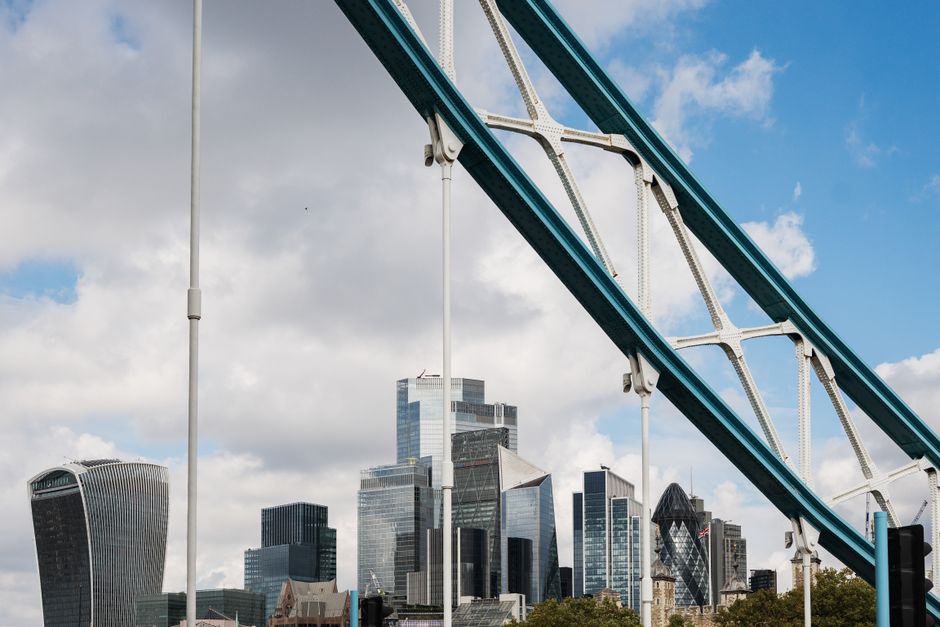
Office removals for Tower Bridge Road businesses Bermondsey
If your business is based near Tower Bridge Road and you are planning a move in Bermondsey, the chances are you are juggling far more than desks and boxes. There are people to brief, files to secure, phones to reroute, neighbours to keep happy, and a schedule that probably feels too tight already. Office removals for Tower Bridge Road businesses Bermondsey need careful coordination, because even a small delay can ripple through the whole day. The good news? With the right plan, the move can be calm, organised, and far less disruptive than most teams expect.
This guide walks through what the process looks like, what to watch out for, and how to make sensible decisions before moving day arrives. You will also find practical tips, a comparison table, a real-world example, and a checklist you can actually use. No fluff. Just the stuff that helps.
Table of Contents
- Why Office removals for Tower Bridge Road businesses Bermondsey Matters
- How Office removals for Tower Bridge Road businesses Bermondsey Works
- Key Benefits and Practical Advantages
- Who This Is For and When It Makes Sense
- Step-by-Step Guidance
- Expert Tips for Better Results
- Common Mistakes to Avoid
- Tools, Resources and Recommendations
- Law, Compliance, Standards, or Best Practice
- Options, Methods, or Comparison Table
- Case Study or Real-World Example
- Practical Checklist
- Conclusion
- Frequently Asked Questions
Why Office removals for Tower Bridge Road businesses Bermondsey Matters
Office moves look simple from the outside. Pack things up, move them across London, unpack again. Easy, right? Not quite. For Tower Bridge Road businesses, the real challenge is timing. The area sits in a busy part of Bermondsey where access, loading space, and traffic patterns can make a straightforward move feel more delicate than you expected.
A well-run office move matters because it protects working time. It also protects continuity. If your staff can sit down and get back to work quickly, the move feels like a project completed properly rather than a week of chaos. That is especially important for smaller firms, professional practices, creatives, and service businesses where one delayed computer or lost file can slow everyone down.
There is also the human side. People get attached to their routines. The kettle lives there, the meeting room whiteboard lives here, the printer always jams in exactly the same annoying way. A thoughtful move acknowledges those habits and resets them gently instead of throwing the whole office into confusion.
Expert summary: The best office move is not the one that looks dramatic. It is the one that quietly reduces downtime, avoids avoidable damage, and lets your team settle in without a mess.
For businesses comparing different support levels, it can help to look at broader office relocation services alongside dedicated office removals. The first often suggests a more complete project-managed approach, while the second may focus more on transport and physical moving. Knowing the difference saves a lot of second-guessing later.
How Office removals for Tower Bridge Road businesses Bermondsey Works
Most business moves follow the same basic pattern, but the quality of the planning makes all the difference. In practice, a good office removal usually starts with an assessment of what needs moving, what needs protecting, and what has to happen first on arrival.
Here is the typical flow.
- Survey and planning: The moving team checks access, volume, special items, and timing constraints. This is where awkward stairwells, lifts, narrow corridors, or parking restrictions are identified early.
- Preparation: Desks are cleared, files are boxed, cables are labelled, and any sensitive equipment is separated. A little patience here saves a lot of swearing later.
- Packing and protection: Fragile equipment, IT kit, and office furniture are wrapped or boxed carefully. If your team does not have time for this, professional packing and boxes support can be a sensible add-on.
- Loading and transport: Items are moved in a logical order so that the first things needed at the new site are easiest to unload.
- Delivery and placement: Furniture and boxes are placed by zone, making setup faster and less stressful.
- Unpacking and settling in: Some businesses handle this internally, while others choose packing and unpacking services to get back on their feet quickly.
That sounds neat on paper, and sometimes it is. Other times, the day has a few wrinkles. A lift is busy. A parking bay is farther away than expected. Someone realises a monitor cable is still under their desk. Truth be told, that is normal. Good movers plan for it.
If your office move is being bundled with a larger commercial relocation, the broader commercial moves page is also worth understanding, because business moves often overlap with stock, equipment, archives, and deadlines that do not neatly fit into one box.
Key Benefits and Practical Advantages
There are obvious benefits to hiring experienced office movers. There are also quieter ones, the sort people only appreciate after the move. Here are the main advantages that matter for Tower Bridge Road businesses.
- Less downtime: A structured move means staff spend less time waiting around for boxes to appear or equipment to be assembled.
- Better protection for equipment: Office chairs, monitors, filing cabinets, and IT hardware can be awkward, heavy, and surprisingly easy to damage if handled badly.
- Cleaner handover: If you are leaving a leased space, a tidy removal process helps you return the property in better condition.
- Fewer internal disruptions: Your team can keep working on the parts of the business that actually generate revenue.
- Better handling of awkward items: Larger desks, archive boxes, printers, and shared equipment need more than brute force.
- Reduced stress for staff: People tend to cope better when they know who is doing what, and when.
There is a practical emotional benefit too. A move that feels controlled tends to lift morale. Staff notice that the business has its act together. That may sound soft, but it matters. A move can either feel like a disruption or a reset. Same logistics, very different outcome.
For teams that need extra flexibility, a man and van option can work well for smaller office moves, overflow runs, or moving a limited amount of equipment between nearby addresses. Bigger offices, naturally, usually need a larger vehicle such as a moving truck.
Who This Is For and When It Makes Sense
Not every business needs the same style of removal. A compact design studio has different needs from a law office, a healthcare practice, or a small online retailer with storage, shelves, and parcel supplies. Office removals for Tower Bridge Road businesses Bermondsey make sense when staying open during the move matters and the contents need professional handling.
This kind of service is especially useful for:
- small and medium-sized businesses moving to a nearby Bermondsey or Southwark location
- teams relocating after a lease ends or during a refurbishment
- offices with IT kit, records, or equipment that must be packed carefully
- businesses with limited internal staff available to lift and transport items
- companies needing an after-hours or phased move to reduce interruption
- firms that want a more predictable move than a DIY approach usually delivers
Sometimes the move is not a full office relocation at all. It might be a move out of a shared workspace, a temporary swing space, or a partial relocation where only certain departments shift at one time. That is where a flexible removal plan helps more than a rigid one.
And if the office move is tied to home working changes for staff, odd as it sounds, the business may also be dealing with personal storage, desk swaps, or furniture reallocation. That is where related services like storage can become surprisingly useful.
Step-by-Step Guidance
If you want a move that does not spiral into last-minute panic, use a staged approach. Nice and steady. No heroics required.
1) Start with a room-by-room inventory
List every item by area: reception, meeting room, managers' offices, storage cupboards, kitchen, archive space, and so on. The goal is not perfection. The goal is enough clarity to know what is moving, what is staying, and what should be disposed of.
2) Decide what deserves professional packing
Delicate monitors, desktop towers, confidential files, and awkward IT accessories are better packed properly than shoved into a random box. A half-broken monitor on day one is a miserable start to the week, let's be honest.
3) Label by destination, not just by content
"Books" is fine. "Books - Meeting Room 2" is better. "Books - Meeting Room 2 - West Wall" is even better if you are trying to reduce setup time. Labels should help people place items, not just identify them.
4) Create a move-day order
Ask what must be unloaded first at the new site. Common priorities include:
- IT and communications equipment
- desks and chairs for key staff
- files needed immediately
- kitchen basics and cleaning supplies
- signage or reception items
5) Brief staff properly
People work better when they know whether they are packing personal drawers, securing laptops, or simply staying out of the way. A five-minute briefing can prevent ten small mistakes. That is not an exaggeration.
6) Build a buffer into the schedule
Even when everything is mapped out, London traffic and access issues can nudge the timeline. A realistic buffer is not pessimistic. It is professional.
7) Check the new layout before boxes arrive
Try to confirm where desks, storage, and shared equipment will go. If the destination space is ready, the move feels quicker. If not, boxes end up sitting in the wrong corner, which is never ideal.
Expert Tips for Better Results
Here is where a little experience goes a long way. These are the kinds of practical details that save time, and sometimes save your sanity too.
- Move in phases if possible: If your business can survive a staggered relocation, do it. Moving the entire office in one chaotic burst is not always the smartest option.
- Protect cables separately: IT cables are small, annoying, and somehow always end up missing. Bag them by workstation.
- Photograph complex setups: Before disassembling desks, printers, or equipment banks, take pictures. Future-you will be grateful.
- Keep one essentials box per department: Pens, chargers, wipes, adapters, tape, scissors, tea bags, the lot. That first hour back is much easier if essentials are close by.
- Use colour coding: Different colours for departments or floors speed up placement at the new office.
- Plan for access, not just distance: A short drive with poor loading access can take longer than a slightly longer route with better parking. Small detail, big impact.
If you only remember one thing, remember this: a move is won or lost during preparation, not during lifting. The lifting is the easy bit. The admin is where the wheels come off.
For businesses that are comparing providers, it is also sensible to look at removal companies in general as a benchmark. That helps you judge whether a service feels experienced, transparent, and suited to business logistics rather than just one-off transport.
Common Mistakes to Avoid
Most moving problems are not dramatic. They are little errors that stack up. Here are the most common ones.
- Leaving packing too late: The last 24 hours before a move should not be the first time anyone looks at cable management.
- Failing to clear clutter first: Moving old leaflets, broken chairs, and duplicate files is expensive and pointless.
- Not checking building rules: Some properties have lift restrictions, access windows, or loading limits. If you ignore them, the day gets awkward fast.
- Forgetting data sensitivity: Confidential paperwork should be secured and handled carefully.
- Assuming all furniture fits neatly: Large desks and storage units often need measuring. Guessing is risky.
- Skipping insurance checks: Accidents are rare when everything is done properly, but businesses should still know what cover applies.
One of the more common surprises in Bermondsey is simply how quickly time disappears once the first load starts. What looked like a tidy two-hour job can drift if access is poor or the team keeps discovering "just one more" box. That is life, really.
Tools, Resources and Recommendations
There are a few practical tools that make office removals easier, even before the moving team arrives.
- Inventory sheets: A simple spreadsheet or printed room list keeps everyone aligned.
- Labels and marker pens: Basic, but essential. Get more than you think you need.
- Colour stickers or tape: Great for department-level sorting.
- Archive boxes and document tubs: Useful for paper-heavy businesses and records-heavy departments.
- Digital backups: Make sure anything critical is stored securely before equipment is unplugged.
- Space plan for the new office: A rough floor layout can prevent boxes being dumped in the wrong place.
On the service side, some businesses benefit from a smaller vehicle or flexible same-address shuttle run. In those cases, man with van support can be a practical option for quick or limited-volume work. Others may need broader handling through removal services that cover packing, transport, and placement together.
If you are still early in the decision-making stage, it can also help to review pricing and quotes so you understand how estimates are typically structured and what affects the final figure. For many businesses, that clarity is half the battle.
Law, Compliance, Standards, or Best Practice
For office removals, the compliance side is mostly about sensible business practice rather than anything dramatic. Still, it matters. A move touches health and safety, manual handling, confidentiality, waste, and sometimes building management requirements. None of that is glamorous, but it is part of doing the job properly.
Businesses should think about the following:
- Manual handling: Heavy lifting should be planned, not improvised. Staff should not be asked to carry loads they are not comfortable with.
- Workplace safety: Corridors, stairwells, and entry points should stay clear during the move.
- Confidential materials: Files and devices containing business data should be secured and tracked.
- Insurance and safety: It is sensible to understand what cover is in place for transit and handling.
- Waste and disposal: Unwanted furniture, packaging, and obsolete equipment should be handled responsibly.
Many businesses prefer to work with providers that publish their own policies clearly. If that matters to you, useful pages to review include health and safety policy, insurance and safety, and recycling and sustainability. Those pages help signal how the company thinks about risk, responsibility, and disposal.
For day-to-day business trust, that kind of clarity is reassuring. It does not guarantee perfection, of course. Nothing does. But it does show that the moving process has been thought through.
Options, Methods, or Comparison Table
Choosing the right approach depends on office size, timing, and how much of the move you want handled for you. Here is a simple comparison.
| Move option | Best for | Strengths | Trade-offs |
|---|---|---|---|
| DIY office move | Very small teams with minimal equipment | Lower upfront cost, full control | Higher disruption, more staff time, greater risk of mistakes |
| Man and van | Small loads, nearby relocations, quick transfers | Flexible, efficient, practical for limited items | May not suit large desks, multiple departments, or heavy volumes |
| Full office removal service | Most business moves with equipment and furniture | Structured, organised, less disruption for staff | Usually costs more than a basic vehicle-only job |
| Project-led office relocation | Larger or more complex moves | Planning support, phased delivery, better oversight | More coordination required upfront |
In many cases, the best choice is the one that matches the volume and the pressure on your team. If the office is small and the contents are light, a van-based move may be enough. If you have archives, desks, printers, and a half-dozen staff all trying to work at the same time, a more complete service usually makes more sense.
Case Study or Real-World Example
Here is a realistic example. A small Bermondsey marketing agency near Tower Bridge Road needed to move to a nearby workspace after a lease change. The team had six desks, several monitors, a shared meeting table, a handful of archive boxes, and a kitchen cupboard full of bits nobody wanted to sort on the day.
They made one smart decision early: they created a simple inventory and colour-coded each workstation. Each staff member packed their own drawer items, while the office manager labelled shared equipment and documents. The move itself was scheduled so that the most critical IT equipment came off the vehicle first.
Nothing dramatic happened. Which, frankly, was the win.
There were still small surprises. One desk leg had to be removed to get through a narrow doorway, and one cable bag had somehow migrated to the wrong box. But the business was back online the same afternoon, and nobody had to hunt through ten unlabeled cartons for a charger. That kind of move feels boring in the best possible way.
If the agency had tried to do everything in-house without planning, the story would have been different. Not catastrophic, just messier, slower, and more tiring. Office removals are often judged by how ordinary they feel on the day. That is the point.
Practical Checklist
Use this checklist in the week before moving day.
- Confirm the move date and access times
- Check parking, loading, and lift arrangements
- Complete a room-by-room inventory
- Back up key files and secure sensitive documents
- Label boxes by department and destination room
- Pack an essentials box for each team or floor
- Photograph desk setups before dismantling
- Separate items for disposal, storage, or reuse
- Notify staff of their responsibilities
- Review insurance, safety, and handling arrangements
- Prepare the new office layout in advance
- Keep one person responsible for move-day decisions
Quick reassurance: you do not need a perfect checklist. You need one that is used. A decent plan followed consistently beats a flawless plan nobody remembers.
If you are comparing providers, reviewing process details, or just trying to work out what level of help you actually need, it is worth checking the company background too. Pages like about us can help you understand who is behind the service before you hand over office equipment and a moving deadline.
Conclusion
Office removals for Tower Bridge Road businesses Bermondsey work best when they are treated as a business continuity project, not just a transport job. Plan early, label properly, think about access, and choose a service level that matches the size and pressure of the move. That combination keeps the day manageable and helps your team settle into the new space with less disruption.
The businesses that cope best are usually not the ones with the biggest budgets. They are the ones that prepare well, ask sensible questions, and stay a little flexible when the day throws up one or two surprises. Which it often does, to be fair.
Get a free quote today and see how much you can save.
In the end, a good office move is the one that lets you get back to work without much drama. A quiet success. That is the lovely kind.
Frequently Asked Questions
How far in advance should I book office removals for Tower Bridge Road businesses Bermondsey?
As early as you reasonably can. Even a short local move benefits from lead time, because access planning, packing, and staff coordination all take longer than people expect. If you are moving at a busy time of year, earlier is better.
Can office removals be done outside normal business hours?
Often, yes. Evening or weekend moves are commonly used to reduce disruption. That said, the right timing depends on building access, staffing, and the scale of the move.
What should be packed separately from the rest of the office?
Sensitive documents, laptops, essential IT equipment, chargers, and any items needed on day one should be kept separate. A clearly marked essentials box is a very good idea.
Do I need professional packing for an office move?
Not always, but it helps if your office has fragile equipment, a lot of files, or limited internal time. Professional packing can reduce breakages and speed up the move.
What is the difference between office removals and office relocation services?
Office removals usually focus on the physical transport of furniture and equipment. Office relocation services may include more planning, coordination, and setup support around the move itself.
How can I reduce downtime during the move?
Prepare an inventory, label by destination, prioritise IT, and make sure the new office is ready before anything arrives. Phased moves also help where possible.
Is a man and van service enough for a small office?
Sometimes. If you are only moving a few desks, boxes, and lightweight equipment, it can be practical. For larger volumes or more complicated setups, a fuller removals service is usually safer and smoother.
What should I check about insurance and safety?
You should understand what cover is in place for handling, loading, transport, and accidental damage. It is also wise to ask how fragile items and confidential materials are managed.
How do I know if I need storage as part of the move?
If there is a gap between leaving one site and fully fitting out the next, or if some furniture is not needed immediately, storage can make the transition far easier.
What are the most common mistakes office movers make?
The biggest ones are leaving packing too late, failing to check access, not labelling items clearly, and forgetting to plan for sensitive documents or IT equipment. Those mistakes are easy to avoid with a little structure.
Can office furniture be removed and disposed of responsibly?
Yes. Unwanted desks, chairs, and cabinets can often be separated for reuse, recycling, or collection depending on condition. Responsible disposal is a smart part of planning, not an afterthought.
How do I choose between a basic removal and a full relocation service?
Think about time, staff availability, equipment value, and how much coordination you want to handle yourself. If the move affects business continuity, a more complete service often pays for itself in reduced stress.
Where should I start if my team is already overwhelmed?
Start with the inventory. Once you know what is moving, what is staying, and what needs special handling, everything else becomes easier to plan. A small list is better than a big vague plan that nobody trusts.